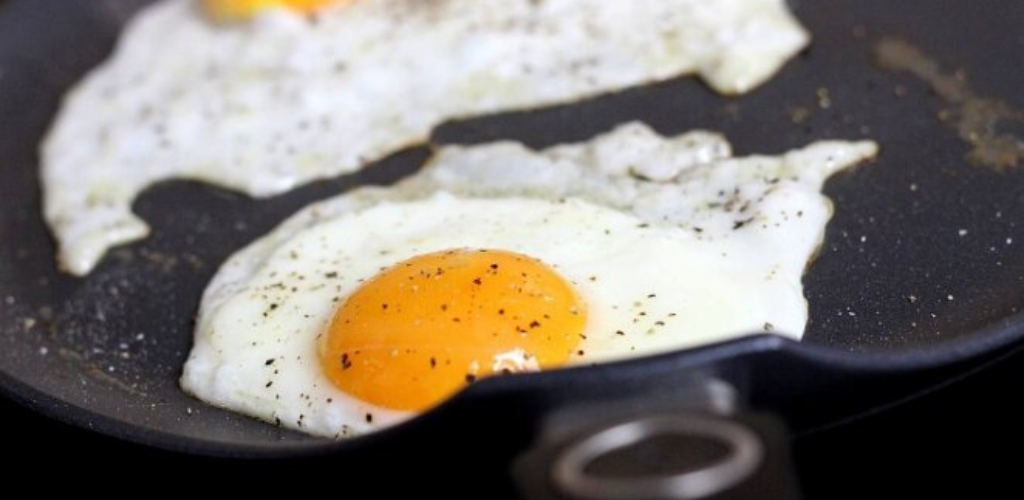
Cooking fried eggs seems simple at first glance. However, not everyone can achieve the ideal result, so that the white is not dry and the yolk remains liquid. In this article, we will analyze the main mistakes and give useful tips that will help you cook fried eggs like a real chef.
Preparing the Perfect Frying Pan
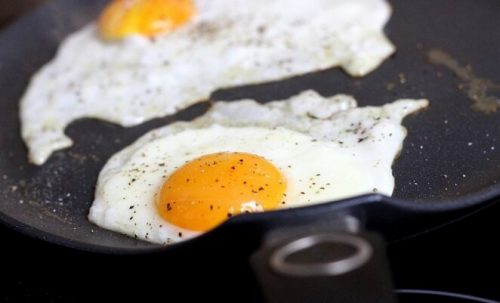
Choosing the right pan is the first step to success. The wrong pan can cause your eggs to run, be dry, or burn.
- Size and shape: Choose a frying pan with a small diameter, designed for 1-3 eggs. This way the fried eggs will not spread and will be high.
- Sides: Rounded and soft sides will help you carefully transfer the finished omelet onto a plate.
- Coating: The ideal pan should be free of cracks and scratches to prevent eggs from sticking. Non-stick coating is a great choice.
- Material: A pan that is neither too thin nor too thick works best. Cast iron pans can hold heat too well, which is not always convenient.
Choosing the Right Oil
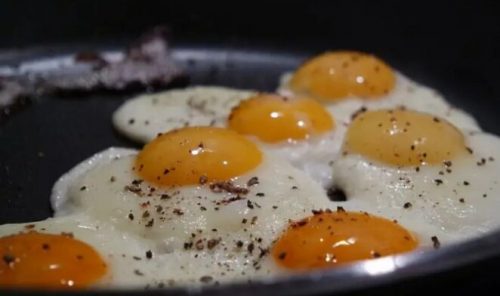
The oil you use to fry your eggs plays a key role in achieving the perfect result. Here are some options:
- Butter: Ideal for soft and tender scrambled eggs. It has a low smoke point, which prevents burning.
- Olive oil: Not the best choice for fried eggs, as it can make the whites too dense.
- Oil blend: A combination of vegetable oil and butter allows you to achieve a golden crust and give your eggs a pleasant creamy aroma.
- Animal fats: Frying in lard or lard gives the dish a special taste. You can fry in lard first, leaving the cracklings, and then add the eggs.
Maintaining the correct temperature
The temperature of the pan and the order of actions are the key to success.
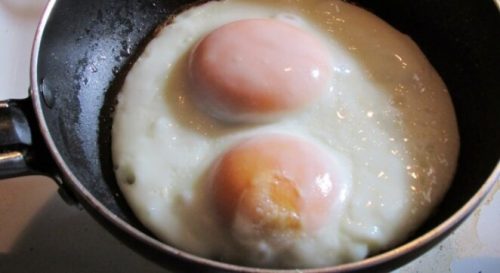
- Preheating the pan: The pan should be hot, but not overheated. Melt the butter until it begins to foam slightly around the edges.
- Temperature control: If the pan gets too hot, remove it from the heat and let it cool slightly. Optimal temperature is important for even cooking.
- Cooking time: Cook the eggs over medium-low heat for 2-4 minutes, depending on how done you want them. The whites should be firm but not dry.
Fighting bubbles and proper frying technique
Why do fried eggs bubble and burn? It’s all about the right technique.
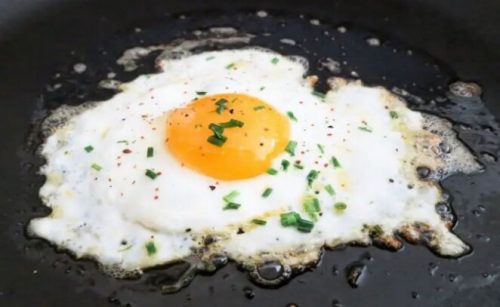
- Cracking an Egg: Crack eggs into a moderately hot frying pan. Overheated oil will cause bubbling.
- Frying on medium heat: To prevent the whites from becoming dense, you can periodically remove the pan from the heat for a few seconds. This way the whites will continue to coagulate, but will not burn.
- Even frying: Tilt the pan from side to side so that the boiling oil evenly covers the protein. This will help avoid a dry crust and speed up the cooking process.
Additional tips
- Using a lid: To keep the yolk runny but the whites fully cooked, you can cover the pan with a lid for the last few minutes of frying.
- Seasonings: It is better to add salt and pepper at the end of cooking so that they are evenly distributed and do not cause premature curdling of the protein.
By following these simple but important tips, you can make the perfect fried egg every time. Experiment with different types of oil and temperature settings to find your perfect way to make this classic dish. Enjoy!